

UNvisibles literally means “invisible to the UN,” but let’s be clear: it’s intentional invisibility. For us, UNvisibles are all those people the UN doesn’t want to see, those it chooses not to help.
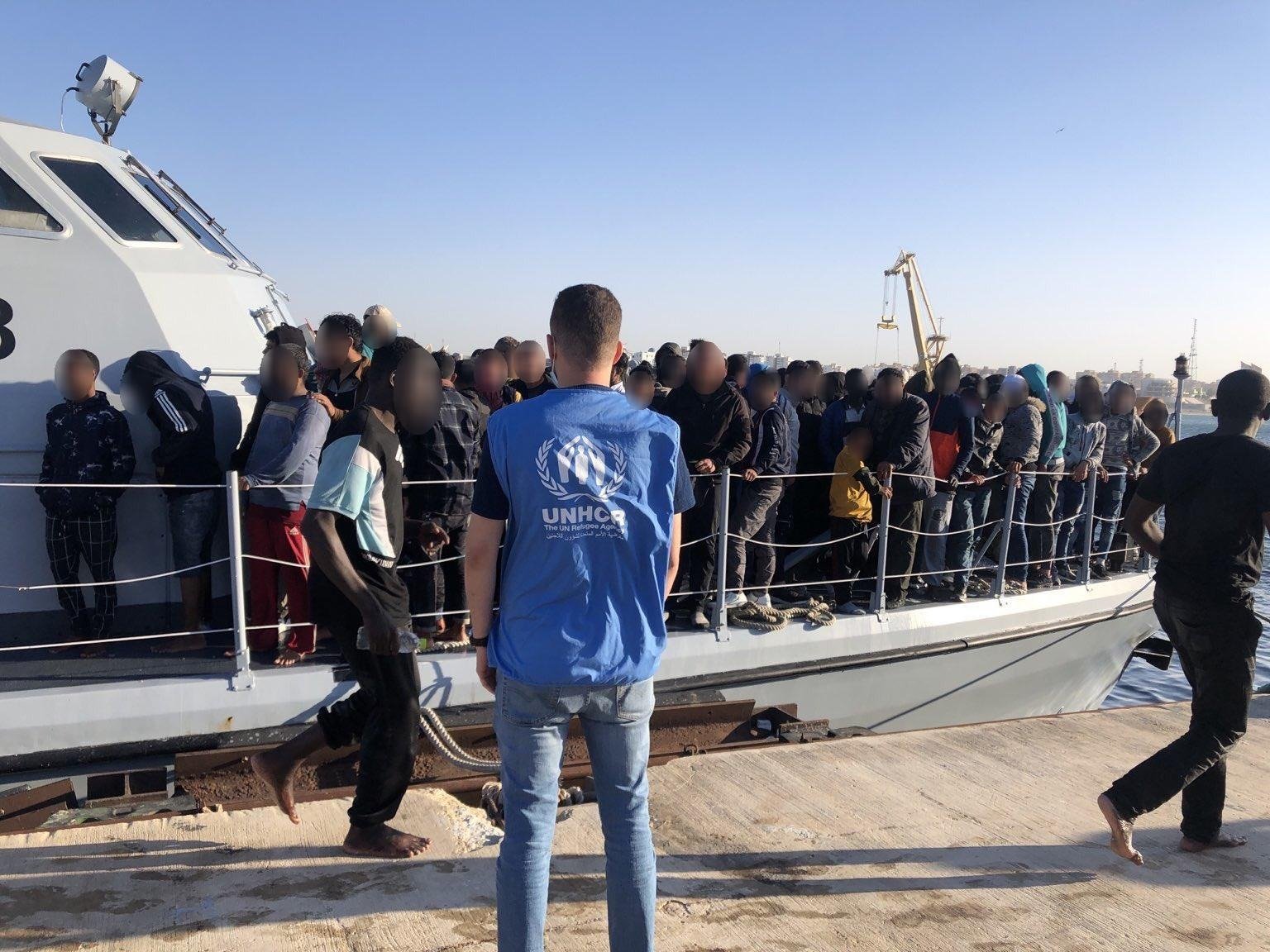
In both Libya and Tunisia, UNHCR is responsible for assessment of international protection needs (the mandate RSD process) and provision of “durable solutions”; it also has responsibility for providing interim support and assistance to those asylum claimants and other migrants it has registered as “persons of concern” who are most in need.
However the humanitarian response from both UNHCR and NGOs has been severely curtailed by politically motivated restrictions on their activities and deep funding cuts.
UNHCR, IOM and their NGO contractors also face strong criticism over their role in enabling or actively participating in border externalization, through measures including the Emergency Transit Mechanism.
The failure of the humanitarian response in Libya and Tunisia leaves some of the most vulnerable people in desperate and often life-threatening situations in both countries.
What we do
- The UNvisibles team supports several highly vulnerable migrants, including families with young children and/or serious medical needs, and victims of human trafficking for sexual exploitation.
- We document their cases, refer them to a network of competent humanitarian and medical NGOs for support.
- We advocate on their behalf with UNHCR and actively pursue the relevant UNHCR mandate measures for which they are eligible, including Refugee Status Determination (RSD) and resettlement processes, and interim support measures.
- Where relevant we provide legal representation in RSD and resettlement procedures.
JLProject’s UNvisibles project provides lawyers to all those people arbitrarily excluded from aid and evacuations by UNHCR staff.
The UNvisibles Team
The UNvisibles activist team is a JLProject group made up of male and female activists. Some are also lawyers and paralegals, but not all.
The Goldsmiths University of London university team also participates in the project. After a period of training, primarily legal, the students are immediately ready to help migrants in Libya and Tunisia.
Refugees in Libya often collaborate, helping us connect with people we need to help.
How the project UNvisibles was born
The UNvisible project was born from a message. A plea for help on Messenger from a Syrian mother. The story of that woman and her large family had been on her mind for a long time. Fleeing the war, making a long journey, and arriving in Libya with the hope of finding a chance at safety… and instead, nothing. The family is still there. It’s been many years, and the situation is even more dire because one of her seven children suffers from a serious illness that causes severe epileptic seizures. She urgently needs treatment.
From this case, the need to fight for this family arose, to contact UNHCR through our lawyers and understand why the process is stalled, why they aren’t receiving support and medical care, and why they haven’t been evacuated.
We are still fighting for this family, and the group of “UN invisibles” we legally assist has grown.
Project Successes: Evacuees
In its first year, the UNvisibles project has already achieved success.
We managed to legally assist three different families who had been denied refugee status by UNHCR Libya. UNHCR finally capitulated, provided the RSD, and the people were able to access the evacuation lists. Now they are in Italy! There are nine boys and girls in total, along with their parents.
The best moment is when the topic of conversation changes. Before, it was survival: food, medicine, armed attacks, bombs… Now, with the evacuated families, we talk about normal things: their children’s school, recipes, projects, dreams.
Who supports and finances the project?
UNvisibles is supported and funded by Mediterranea Saving Humans, Goldsmiths University of London, and, last but not least, by the many people who donate to the JLProject.
Donate something – even a little – just to let us know you're there and rooting for us.